

Why immersive media attractions are becoming essential for modern theme parks & family centers
Why media-driven environments, immersive theatre, and audiovisual storytelling are becoming key tools for modern attraction design.

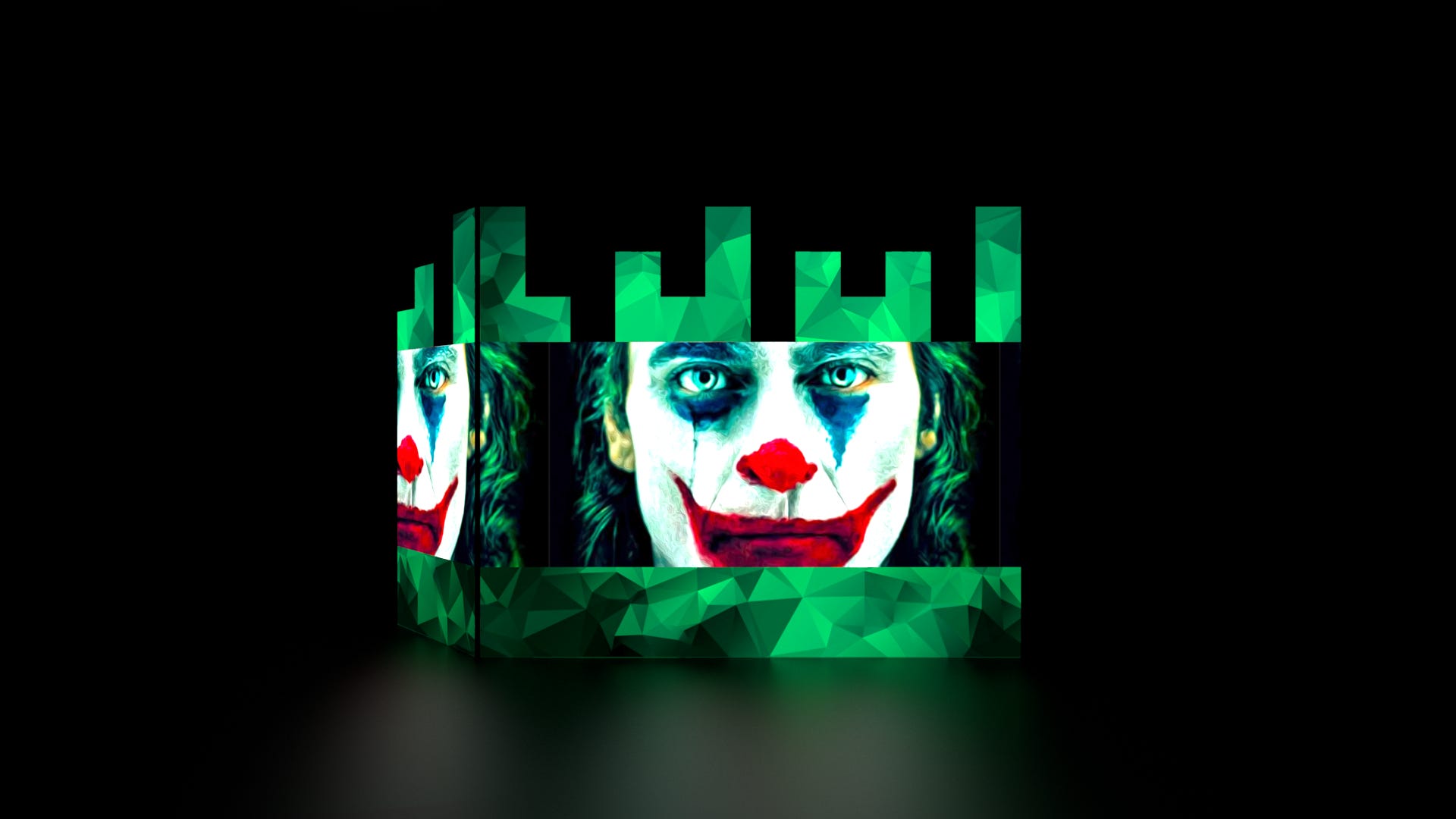
Over the past decade, something fundamental has changed in the world of entertainment venues.
Family entertainment centers, theme parks, water parks, museums, and experience-driven destinations are no longer competing only with other parks. Today, they compete with gaming, streaming platforms, immersive digital worlds, and highly interactive media environments.
And that shift has changed visitor expectations dramatically.
A modern attraction is no longer evaluated only by its mechanical complexity or physical scale. Visitors increasingly judge experiences through the lens of storytelling, media immersion, and audiovisual environments.
In other words: The future of attractions is immersive.
Why attractions without media are beginning to feel outdated
Ten or fifteen years ago, many attractions were built primarily around mechanics:
rollercoasters
slides
rides
moving installations
Screens and media were often added as supporting elements — small monitors, projections, or simple visual effects.
Today that model is rapidly changing.
Visitors — especially younger generations — have grown up surrounded by:
video games
streaming platforms
social media video
virtual environments
cinematic storytelling
Their expectations of environments have evolved accordingly.
They are no longer satisfied with static attractions. They expect experiences that combine multiple sensory layers:
visual storytelling
spatial sound
lighting environments
scenography
motion
sometimes even scent and tactile effects
In modern attractions, media is no longer decoration. It is the architecture of the experience.
From rides to experiences
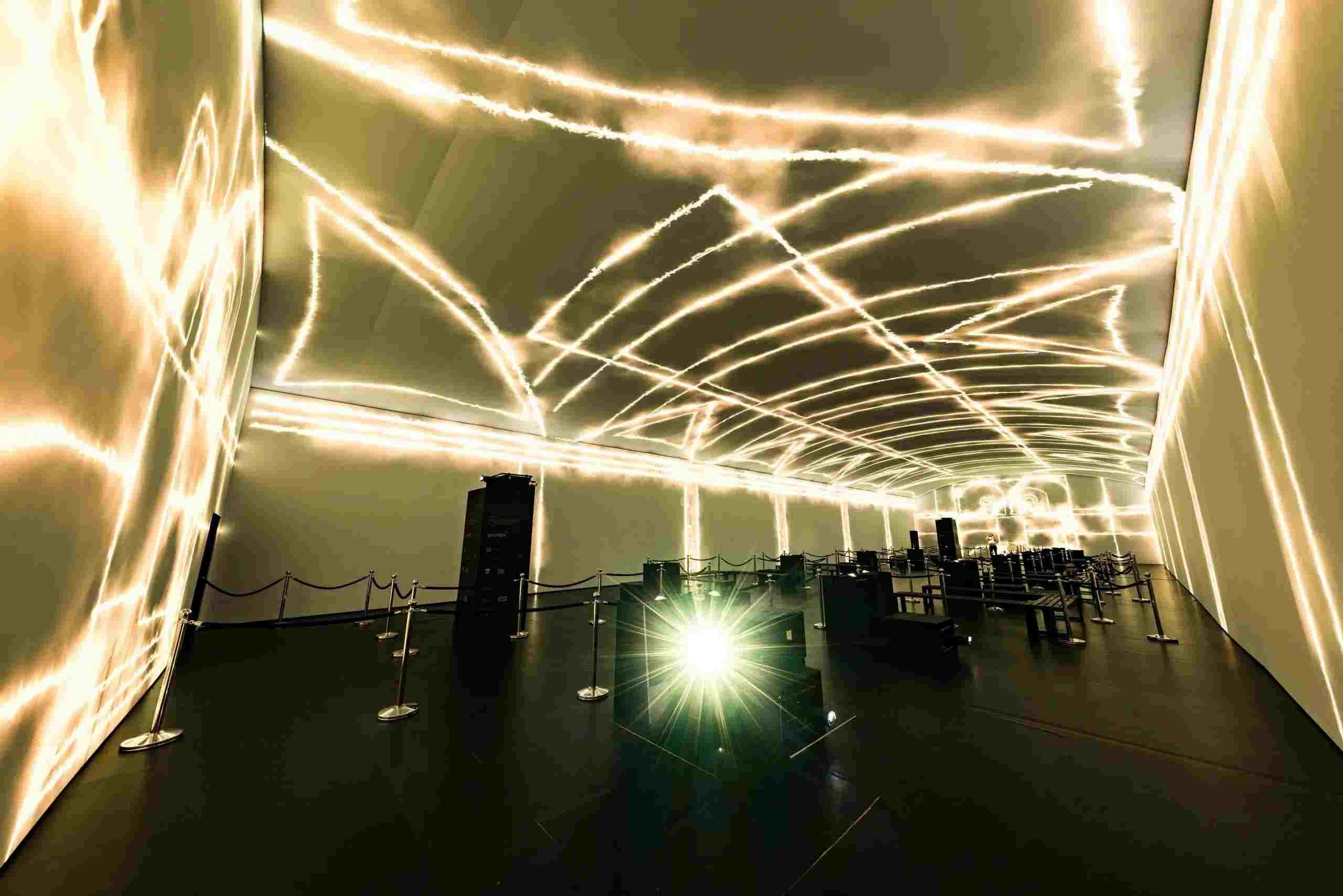
The most successful entertainment destinations today are moving toward experience-driven design.
Instead of simply offering rides, they create environments where visitors feel immersed in a story or world.
This is why one word has become dominant across the entertainment industry:
Immersion.
Interestingly, research conducted for entertainment developers shows that when most people hear the word immersive, they imagine something very specific.
For around two-thirds of audiences, immersion means:
being surrounded by visual storytelling.
Large-scale projection environments, multi-wall visual installations, and immersive theatre experiences have become the most recognizable format of immersive entertainment.
In these environments, visitors are no longer watching a story.
They are inside it.
The rise of immersive theatre and media environments
Immersive environments can take many forms.
Some focus on calm, contemplative experiences — art, culture, and storytelling.
Others focus on high-energy adventures — space exploration, fantasy worlds, or prehistoric environments.
What connects them is the idea that the visitor becomes part of the scene.
A well-known example of large-scale immersive design is Phenomena Lab in Abu Dhabi, a highly advanced media environment designed to attract visitors for years through evolving storytelling.
But immersive experiences are not limited to massive investments.
Even smaller immersive installations can create powerful engagement.
Projects such as immersive exhibitions — including the immersive interpretation of the Sistine Chapel — demonstrate how projection environments can transform cultural storytelling into something highly engaging and accessible.
In these installations, physical exhibits often become secondary.
The main attraction is the media-driven environment surrounding the visitor.
Immersion does not need to be massive
One of the biggest misconceptions about immersive attractions is that they must be extremely large and extremely expensive.
In reality, immersive media environments can exist at many scales.
For example:
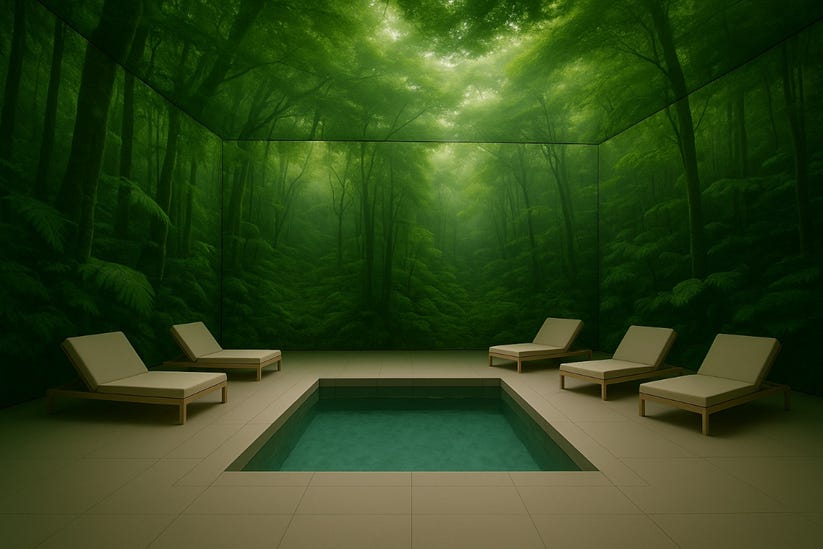
Immersive rooms
Small projection or LED environments that host a handful of visitors at a time.
These can be installed in:
hotels
family entertainment centers
museums
wellness destinations
Immersive tunnels
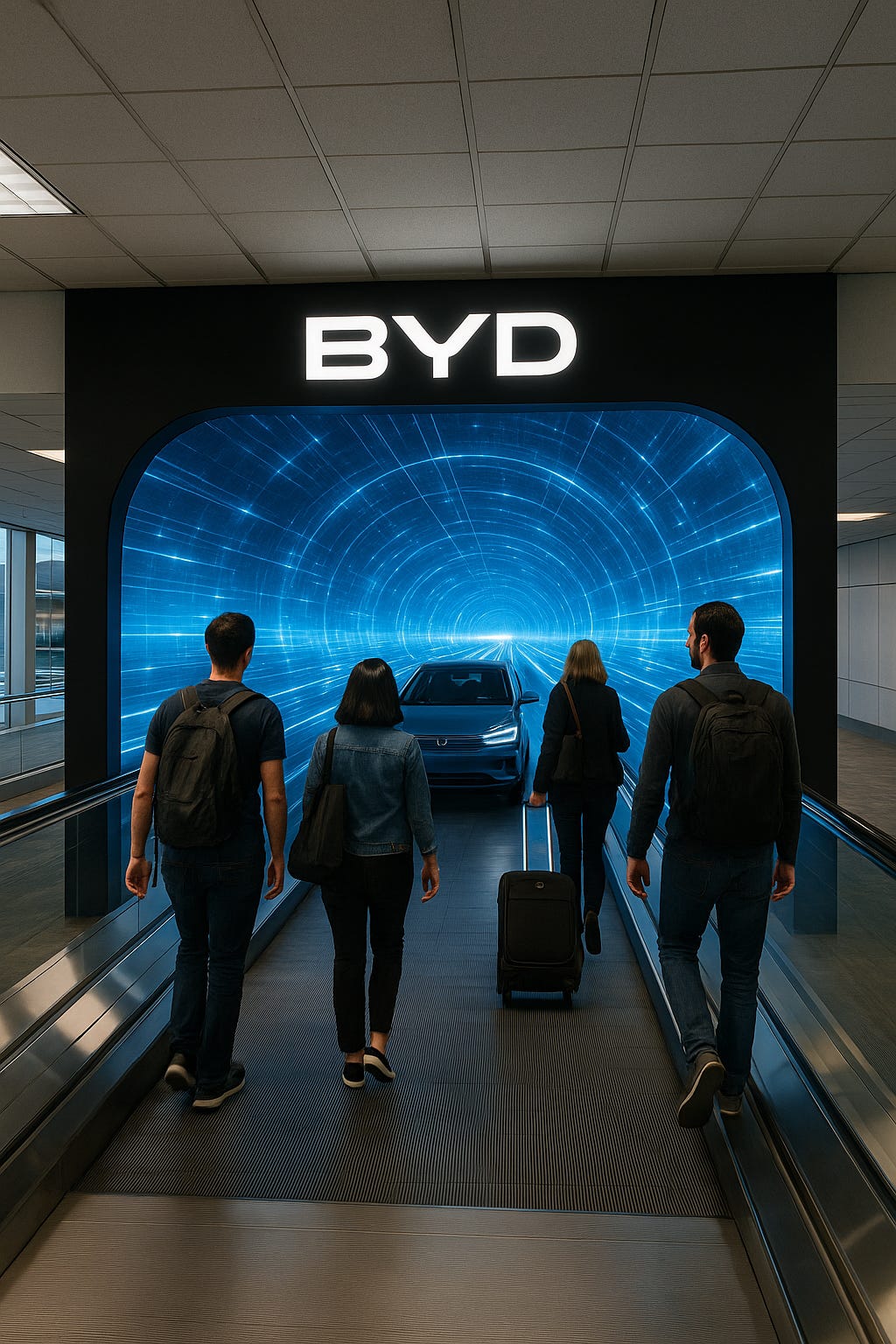
Media corridors that serve as transitional storytelling spaces — perfect as pre-show experiences before a major attraction.
They can also become powerful branding opportunities.
A missed opportunity for brands inside attractions
Brand partnerships are already common in entertainment venues.
But many of them are still executed in a very simple way: logos on rides
stickers on slides, sponsor signage
This approach often fails to create a meaningful emotional connection with visitors.
Immersive environments offer a completely different possibility.
Imagine a branded media tunnel where visitors walk through an environment designed around the brand’s identity, narrative, and visual universe.
Instead of simply placing a logo on a ride, the attraction becomes an experience built around the brand.
For sponsors, this is far more powerful.
For venues, it creates new revenue possibilities.
A case study: modernizing attractions with media
One example of how traditional entertainment venues are evolving can be seen at Ferrari World in Abu Dhabi.
The park already offered world-class mechanical attractions, including famous Ferrari rollercoasters.
But like many parks that have operated for over a decade, parts of the experience began to feel technologically dated.
To modernize the destination and appeal to a new generation of visitors, the park introduced a new media-driven attraction:
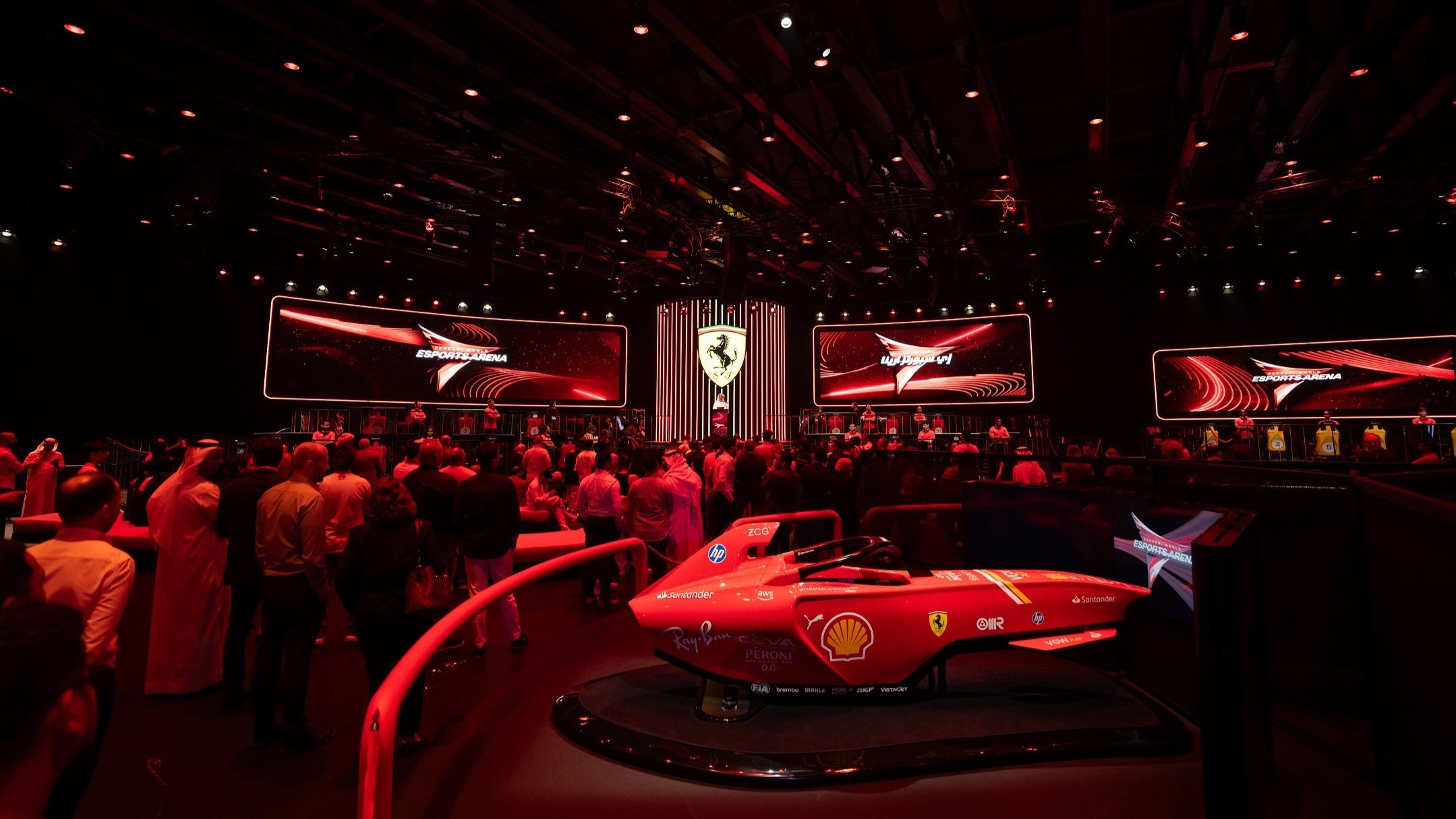
The Esports & Gaming Arena.
ARAM was invited to design and engineer the technology behind this new experience, integrating:
large-scale displays
lighting environments
audiovisual systems
spatial media storytelling
The result is an attraction built around contemporary entertainment culture.
And importantly, it demonstrates how media-driven environments can revitalize existing parks.
Flexible immersive environments: a new type of attraction
One of the most interesting developments in immersive design is the concept of flexible immersive media environments.
Unlike traditional rides, these attractions can change over time.
A single immersive space can host multiple experiences simply by changing the media content.
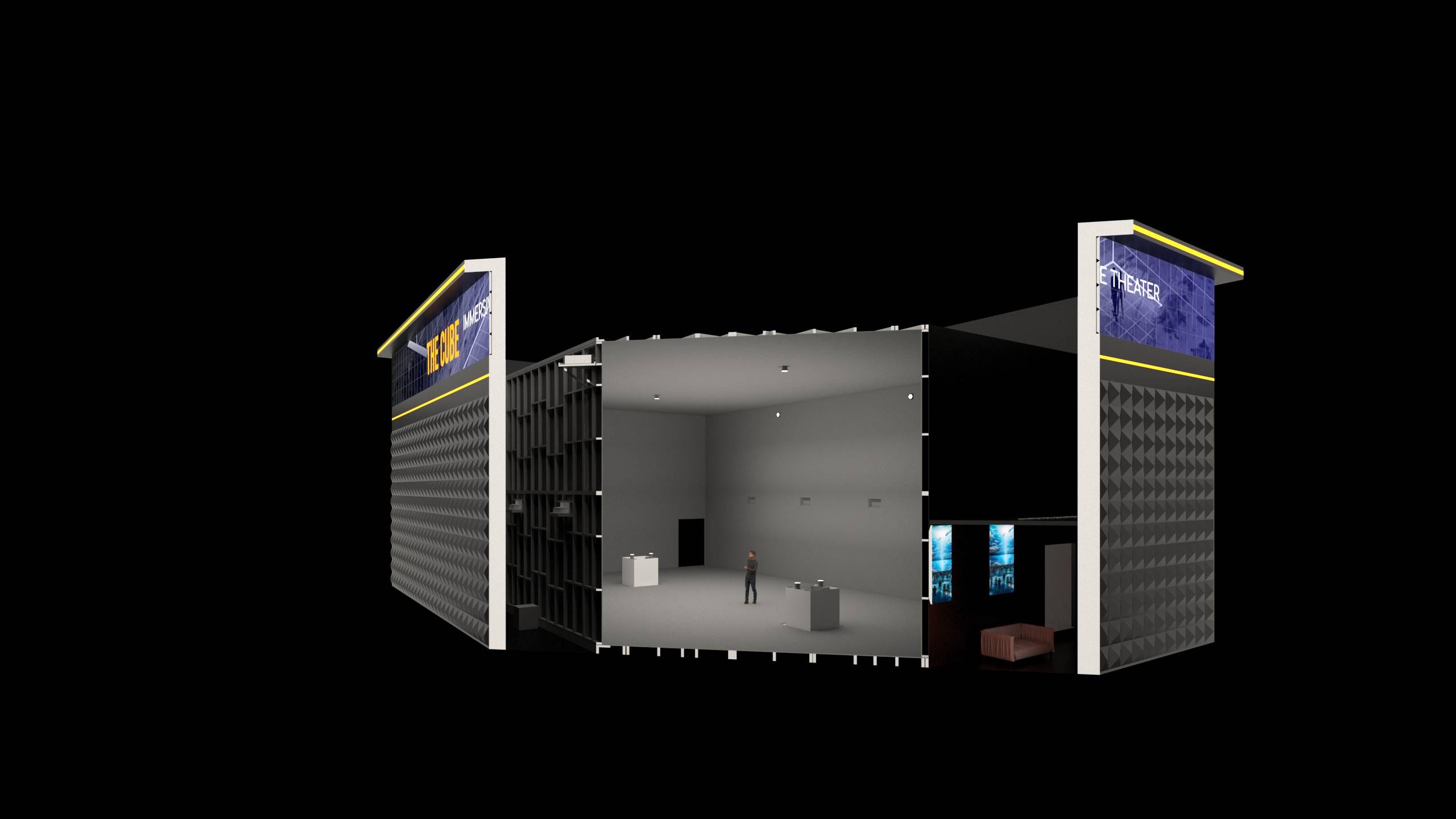
At ARAM, this concept led to the development of The Cube — a scalable immersive theatre environment.
The Cube can exist in multiple forms:
compact LED-based rooms
mid-scale immersive theatres
larger projection environments
The core idea is simple.
Instead of building one fixed attraction, operators create a flexible immersive space capable of hosting different stories, themes, and experiences.
This dramatically extends the life cycle of the attraction.
Entertainment and education can coexist
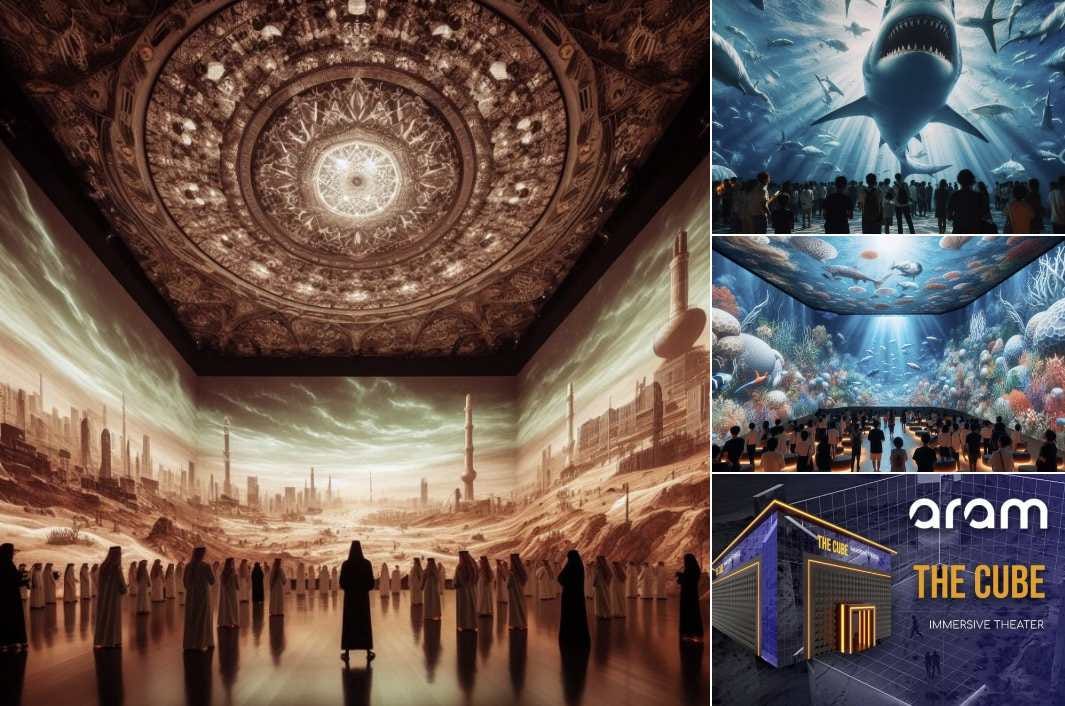
Another interesting advantage of immersive attractions is their potential educational value.
Many parks focus primarily on entertainment — which is understandable.
But immersive storytelling can also support educational programming, covering topics such as:
history
science
art
space exploration
nature and ecology
For schools and institutions, these experiences offer something very different from traditional media.
They are not passive screenings.
They are shared, physical storytelling environments.
In many regions, educational programs can even attract institutional support or subsidies, bringing entirely new audiences to entertainment venues.
Technology is the foundation of immersive design
One important reality of immersive attractions is often overlooked.
Because these installations are integrated into architecture, their technology must be designed for long-term reliability.
Screens, projection systems, and media infrastructure are often built directly into walls, ceilings, and structures.
Access for maintenance can be difficult.
This makes technology selection and system engineering critical.
The difference between a well-designed system and a poorly designed one can determine whether an attraction operates smoothly for years — or becomes expensive to maintain after only a short time.
Designing immersive attractions requires new expertise
Creating immersive attractions is not simply a matter of installing screens.
It requires the integration of multiple disciplines:
audiovisual engineering
lighting design
media architecture
scenography
interactive technologies
storytelling environments
This is where companies specializing in media-driven attraction design play an important role.
ARAM focuses specifically on designing experiences where technology becomes the core creative material.
The company works with:
LED display systems
projection environments
lighting systems
media servers and control systems
immersive spatial design
Projects range from large theme park installations to smaller immersive environments in hotels, museums, and wellness destinations.
ARAM can lead the design process, collaborate with architects and creative studios, or integrate technology into existing projects.
Importantly, solutions can be adapted to different scales and budgets.
Because immersive design is not reserved only for the largest theme parks.
The next decade of entertainment venues
As visitor expectations continue to evolve, one trend is becoming clear.
Attractions that combine storytelling, media environments, and sensory immersion are becoming central to modern entertainment destinations.
For operators of:
theme parks
family entertainment centers
museums
wellness resorts
mixed-use entertainment venues
the question is no longer whether immersive experiences will play a role.
The real question is:
How and when they will become part of the destination.
If you are exploring new ways to modernize your venue or introduce immersive attractions, ARAM works with operators and developers worldwide to design technology-driven entertainment experiences.
Because the future of entertainment spaces is no longer just mechanical.
It is immersive, media-driven, and story-led.
 | A guest post by
|