
Immersive exhibition's: Engaging audiences through storytelling and technology
The Shift in Audience Expectations: From static exhibits to immersive experiences


Museums have long been institutions of knowledge, preservation, and cultural storytelling. However, the way people engage with museums is changing rapidly.
Traditional static exhibits, while valuable, are no longer enough to capture the attention of modern audiences. Today’s visitors seek immersive, multimedia-rich experiences—ones that allow them to step inside the story rather than just observe it.
This shift in expectations presents a significant opportunity for museums to enhance engagement, extend visitor time, and even unlock new revenue streams. By integrating immersive theaters—whether as temporary installations or permanent fixtures—museums can offer unique, dynamic storytelling experiences that transform how people interact with history, art, and science.
Beyond One-Time Exhibits: The Power of Flexible Immersive Theaters
Many museums already possess rich collections and engaging narratives. However, instead of simply adding another exhibit, they can create an adaptable immersive space that allows for multiple rotating experiences over time.
Why Flexible Installations Matter?
Monetization Over Time – A single immersive story can draw crowds for months or even years. However, preparing the space for content-swapping ensures long-term sustainability and financial return.
Independence from a Single Story – While the first immersive experience may be thematic and closely tied to the museum’s collection, future content can explore different narratives—even ones unrelated to the museum’s main exhibitions.
Scalability & Cost Efficiency – Immersive theaters do not have to be prohibitively expensive. Proven solutions like THE CUBE demonstrate that high-quality immersive spaces can be created without massive budgets.
Reaching Broader Audiences – A well-designed immersive theater can attract not only museum enthusiasts but also families, tech-savvy audiences, and younger generations who expect interactive and cinematic experiences.
What Makes a Successful Immersive Museum Installation?
For a museum to integrate an immersive theater successfully, several key components should be considered:
1. Immersive Storytelling That Places Visitors Inside the Experience
Traditional museum exhibits rely on passive observation, but immersive theaters can place visitors in the middle of the action. Whether it’s:
Walking through an ancient civilization, experiencing its sights, sounds, and voices,
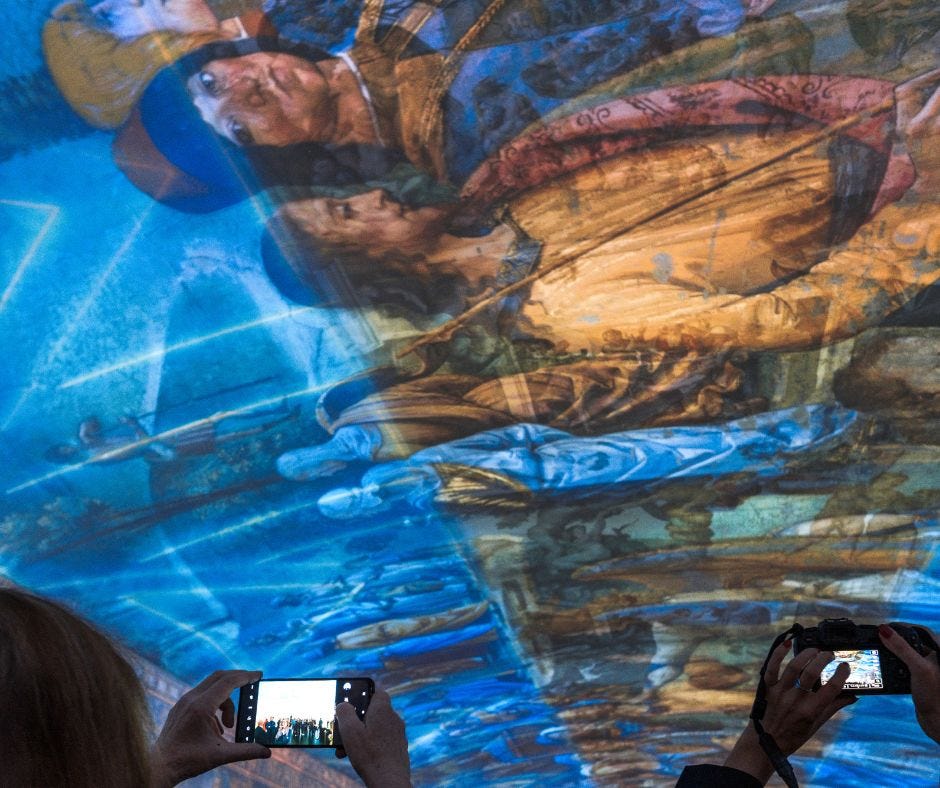
Being inside a famous painting, where the world of the artist comes to life around them, or
Exploring space or the deep sea through stunning visuals and 360-degree projection,
… the key is to make visitors part of the narrative rather than mere spectators.
2. Modular Technology for Long-Term Use
Instead of investing in expensive, one-time installations, museums should consider modular hardware and software solutions that allow for easy content replacement. This means:
Projection mapping setups that can display new narratives without replacing the equipment.
Interactive elements such as motion tracking, AR, or multi-sensory effects that can be adjusted per exhibit.
LED walls and immersive sound that create flexible storytelling environments.
3. Semi-Temporary or Permanent? Tailoring to Your Needs
Immersive theaters can be designed to be:
Permanent installations – Ideal for museums that want a long-term immersive space that can continuously evolve with new content.
Semi-temporary setups – A great choice for seasonal exhibitions, traveling exhibits, or pilot projects before committing to a full-scale permanent installation.
4. The Business Case: Monetization & Return on Investment
Ticketed Experiences – Museums can offer premium immersive experiences at an additional charge, providing new revenue streams.
Brand Partnerships & Sponsorships – Businesses and cultural organizations may be interested in sponsoring immersive experiences aligned with their branding.
Special Events & Rentals – The space can be rented for private events, corporate gatherings, or educational workshops, further increasing its financial potential.
THE CUBE: A Proven Example of Cost-Effective Immersion
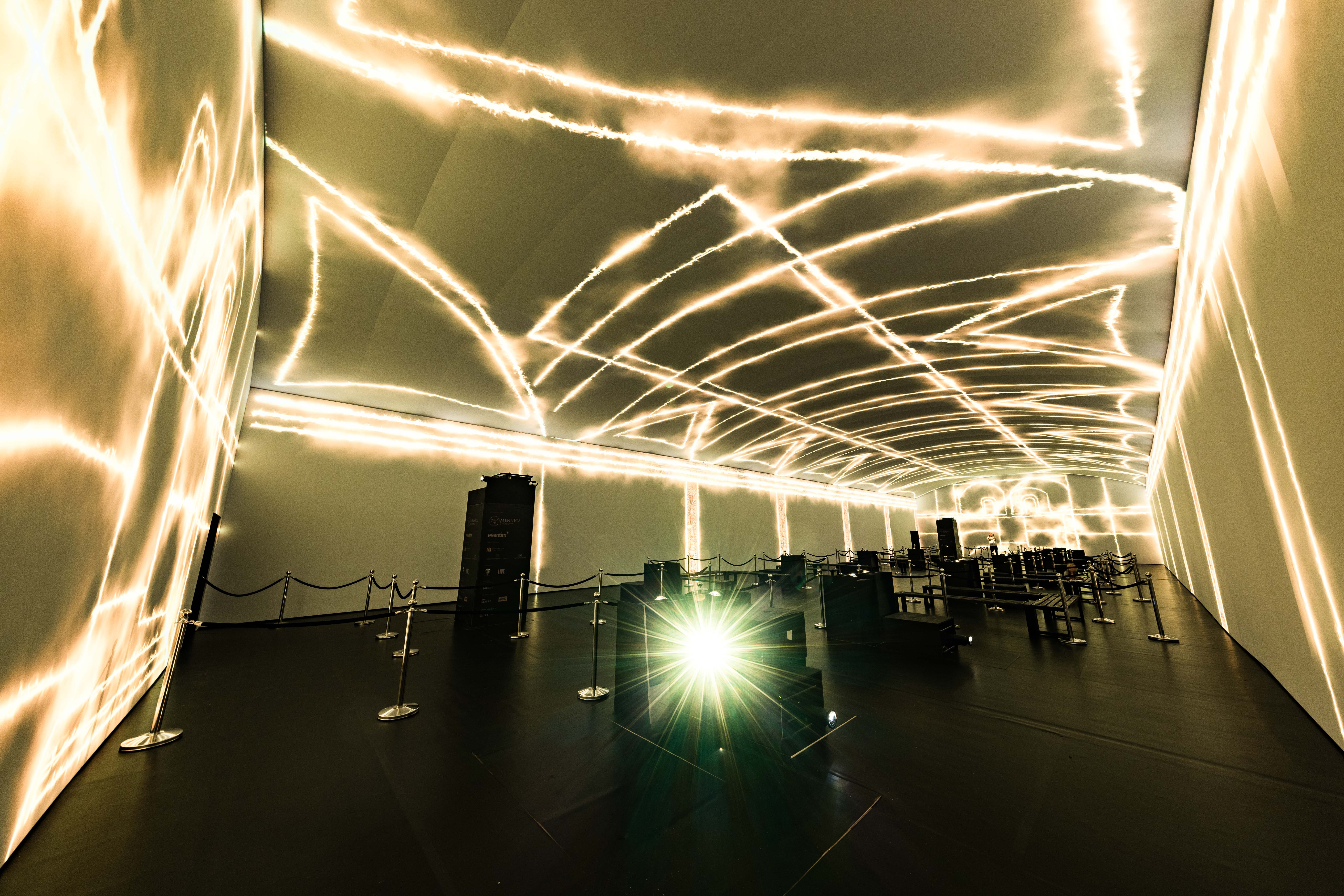
One of the best examples of a flexible and scalable immersive installation is THE CUBE—a solution that demonstrates that high-quality immersive experiences do not have to be expensive. It offers:
360-degree projection mapping that can be changed without new hardware investments.
A modular system that supports various themes and stories, making it perfect for rotating museum content.
A compact, yet high-impact setup that works even in limited spaces, proving that museums don’t need vast areas to create powerful experiences.
By integrating solutions like THE CUBE, museums can modernize their exhibits without requiring extensive architectural renovations or massive budgets.
The Future of museums is immersive
The demand for immersive, interactive museum experiences will only continue to grow. Museums that embrace this shift will not only attract new visitors but also create lasting, memorable experiences that keep audiences coming back.
By designing flexible, technology-driven immersive theaters, museums can ensure long-term value, high engagement, and sustainable monetization—without being tied to a single exhibit or costly renovations.
Whether through semi-temporary immersive theaters, pop-ups or permanent installations, immersive theaters represent the next frontier for museums, blending history, art, and technology into unforgettable visitor journeys.
Would you like to discuss specific technology recommendations or cost-effective implementation strategies for museum installations?
You may also want to read: